Nation’s Code Monkeys Enter Spiritual Era As Stack Overflow Briefly Sneezes
At 9:14 a.m., a hush fell across offices, bedrooms, coworking lofts, improvised kitchen desks, and at least one beanbag shaped like Kubernetes. Developers everywhere reported the same chilling phenomenon: the beloved repository of copy-paste courage had become momentarily unavailable, forcing thousands to look directly at their own code for the first time in years.
Witnesses described scenes of escalating distress. One backend engineer in Bristol was seen gently tapping his monitor and whispering, “Maybe refresh knows the answer.” A front-end developer reportedly opened a terminal, closed it again, then stared out the window so intensely that a pigeon filed a complaint. In several major cities, entire teams were observed rediscovering “documentation,” a rumored ancient text previously believed to be purely decorative.

The outage, which lasted just long enough to trigger an existential unraveling, exposed a fragile ecosystem built on optimism, browser tabs, and the assumption that somebody else had already asked the exact same question in 2017. Across social media, coders entered the five established stages of technical grief: refresh, incognito, blame DNS, check memes, and finally, “I suppose I shall think.”
Some rose to the moment heroically. One senior developer, after a prolonged silence, typed a solution from memory, then stood up in horror as colleagues slowly backed away from him. “We didn’t know he could do that,” said a product manager, still visibly shaken. “We thought his role was mainly saying ‘there’s a cleaner way’ and opening 46 tabs.”
Elsewhere, emergency coping rituals emerged. Rubber ducks were consulted with a seriousness usually reserved for constitutional matters. Junior engineers formed small circles and began reading error messages out loud, hoping they would become less cryptic if spoken in unison. At one startup, the CTO lit a scented candle called Agile Cedar and declared the outage “an opportunity to reconnect with fundamentals,” before immediately asking if anyone had the cached version.
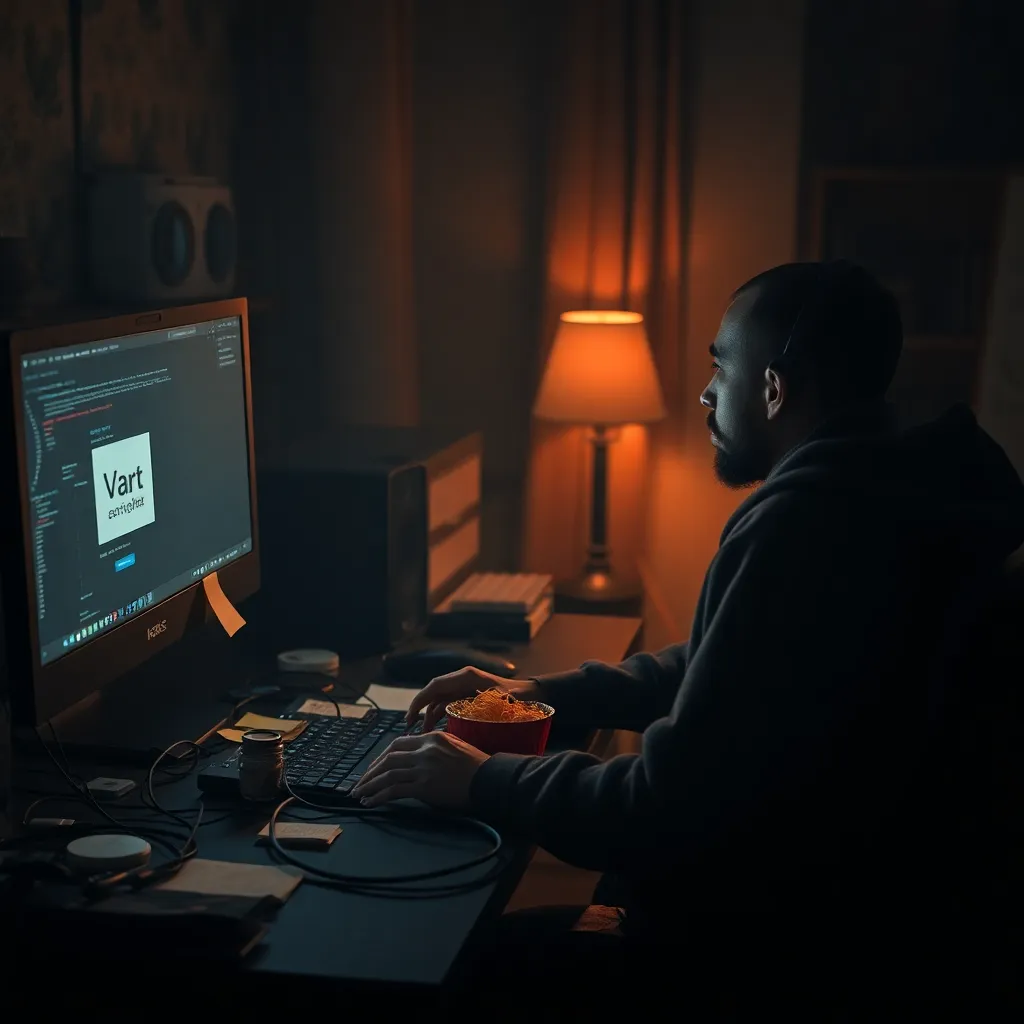
Particularly hard hit were the code monkeys: the tireless professionals who convert caffeine into semicolons while muttering, “Why is this undefined,” as if reciting a family prayer. Deprived of their natural habitat—a browser with twelve reassuringly similar answers—they entered what experts are calling a “feral compile state.” During this period, they were observed attempting desperate alternatives, including reading source code, opening official docs, and, in one unconfirmed case, understanding a regex.
Economists are still calculating the broader impact. Early estimates suggest productivity dropped by 83 percent, while conversations beginning with “well, theoretically…” increased by 600 percent. Meanwhile, the global coffee sector experienced a brief speculative spike as developers, left alone with their thoughts, consumed enough espresso to vibrate several office plants into new growth.
The human toll was no less severe. Partners of remote workers reported hearing strange noises from spare rooms, including sighs, keyboard slapping, and the phrase “but it worked on my machine” repeated with the cadence of a sea shanty. One family said they found their relative standing in the hallway, holding a laptop and asking nobody in particular, “What even is a promise?”
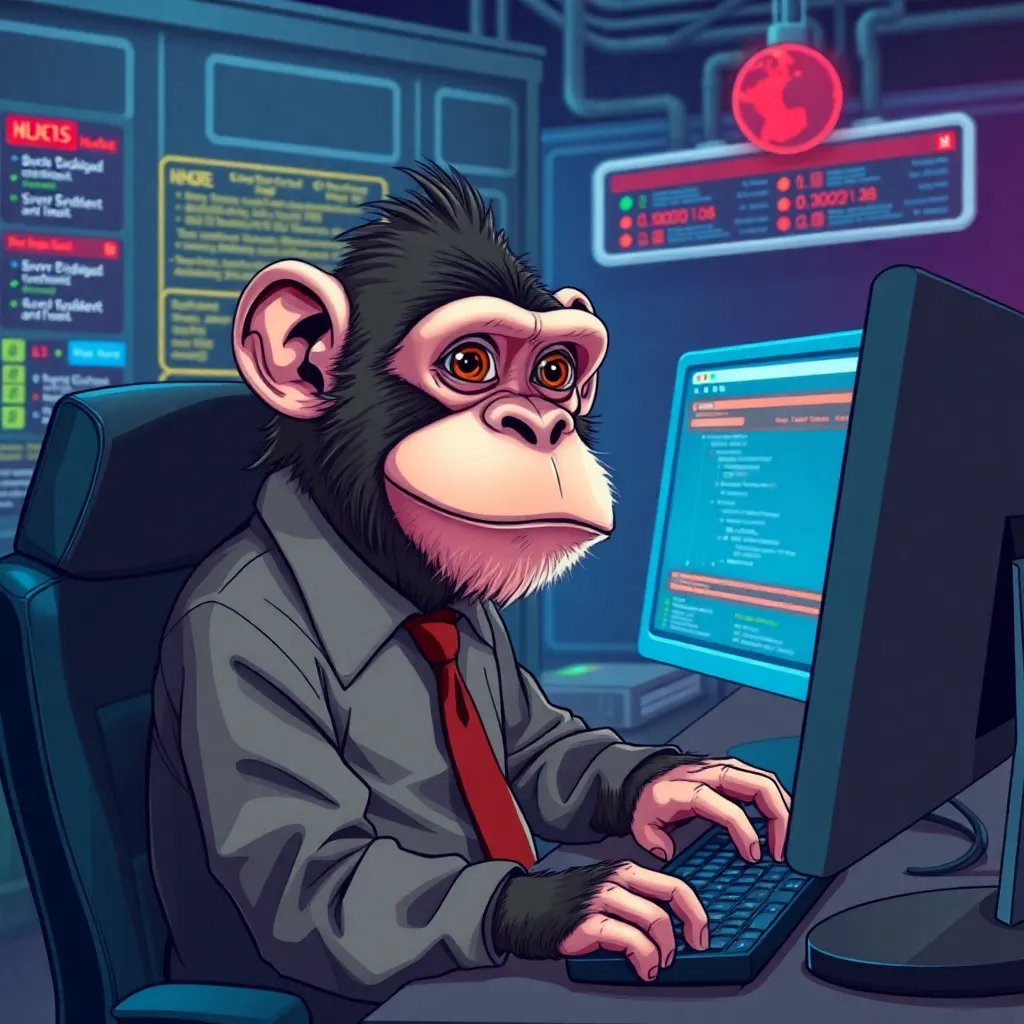
As service returned, a wave of relief swept the coding world. Tears were blinked back. Mechanical keyboards resumed their sacred chatter. Browser bookmarks were kissed. In one especially emotional reunion, a full-stack engineer reportedly found the exact thread he needed, containing a question identical to his own and an answer reading only, “Never mind, fixed it,” posted in 2019.
Industry leaders now say lessons have been learned, though none could specify which ones. Several firms have announced preparedness measures, including local backups of useful answers, mandatory memorization of one sorting algorithm, and crisis drills in which staff must solve problems using only reason, a whiteboard, and the increasingly unstable guidance of Gary from DevOps.
For now, calm has been restored. The code monkeys have returned to their branches, lovingly grooming each other’s pull requests and shrieking whenever production is mentioned after 4 p.m. Yet beneath the surface remains a lingering anxiety: if the great oracle can vanish once, it can vanish again. And somewhere tonight, in the blue glow of a thousand monitors, a generation of developers will sleep lightly, one hand on the refresh key, waiting for the next dark age.